
Research Topic Technology
Technology
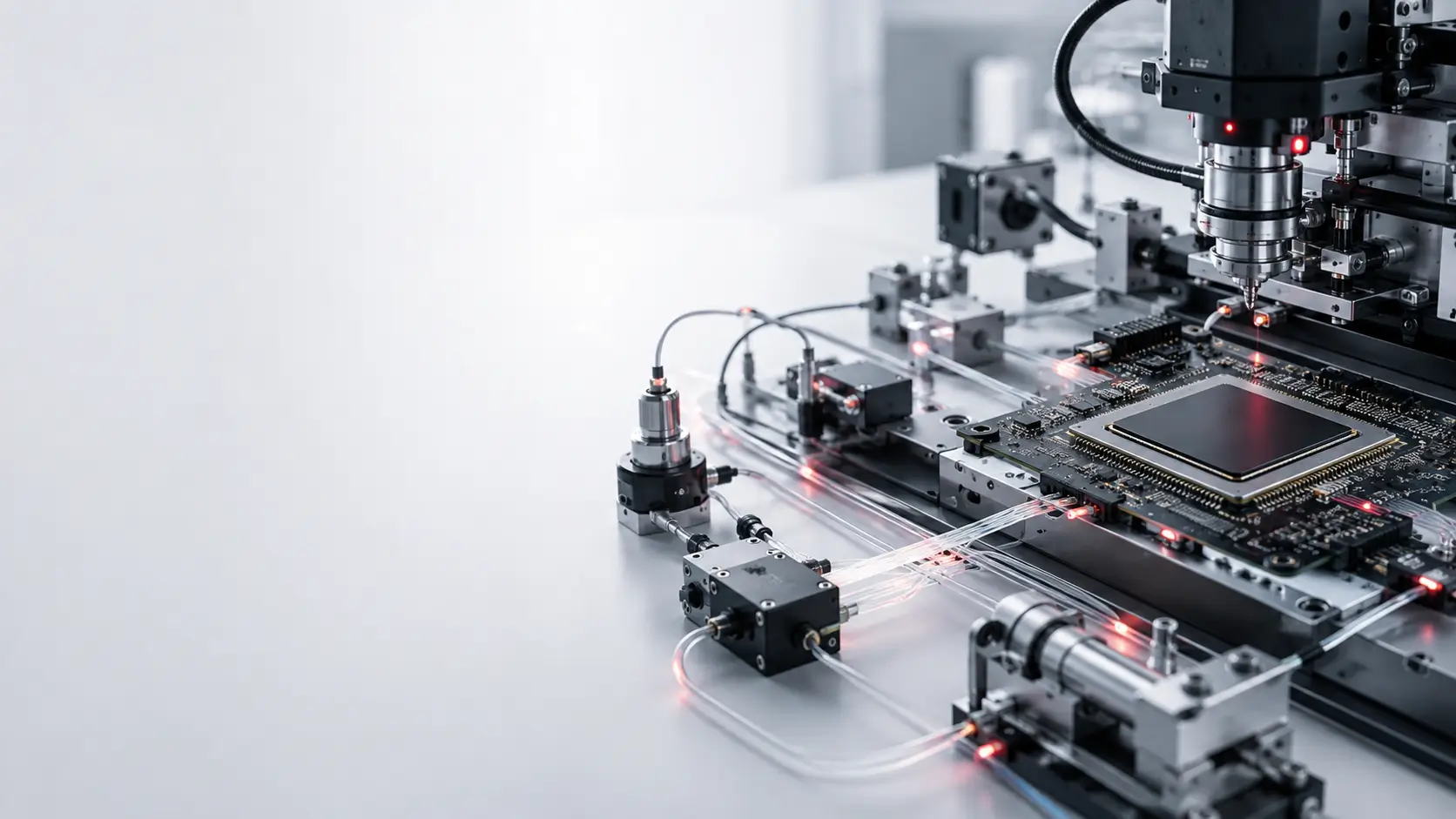
Technology research and analysis examining how components, infrastructure, adoption and markets shape innovation and its real world impact.
We examine how technologies are developed, scaled and used—and how infrastructure, standards, skills and business decisions influence the results.
A connected system
A technology rarely stands alone.
A useful product may depend on specialized materials, precision components, computing, networks, software, standards and people with the skills to operate it. Weakness in one layer can limit the value created by all the others.
This is why technical performance is only part of the story. Cost, reliability, compatibility and the surrounding workflow often determine whether an invention becomes widely useful.
Can every required layer work together reliably at the cost, scale and speed the user needs?
The physical foundation
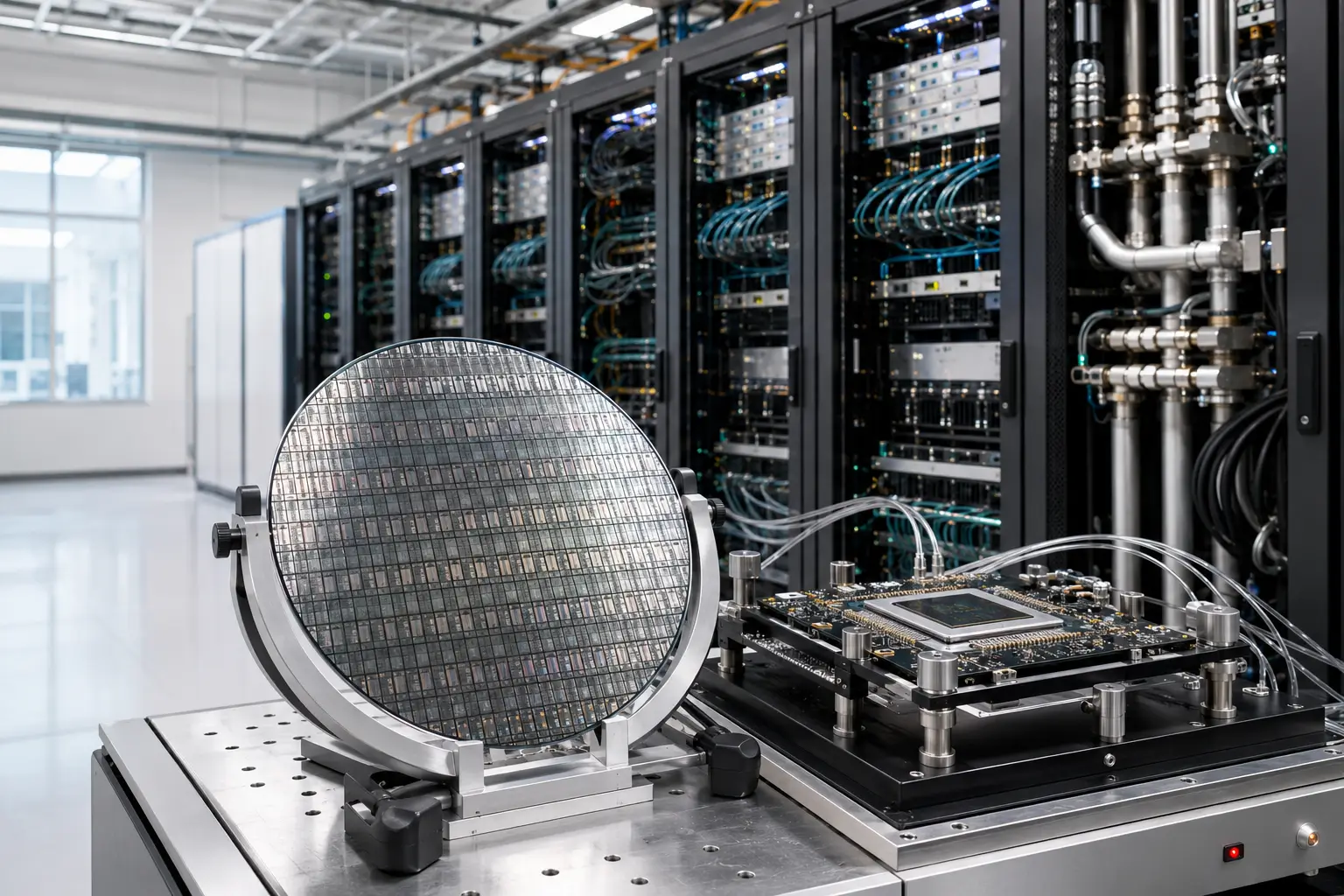
The digital world depends on physical systems.
Semiconductors begin with specialized materials and exacting manufacturing processes. Computing then depends on servers, networking equipment, electricity, cooling and secure facilities. Digital services may feel weightless, but the infrastructure behind them is not.
Studying these dependencies helps explain capacity constraints, geographic concentration, energy demand and why disruption in one part of the chain can affect many downstream users.
From capability to adoption
A tool creates value only when it fits the work around it.
Adoption is not the final step after invention. It is a process of testing, integration, training and adjustment. New technology can simplify one task while creating new responsibilities elsewhere.
Define the problem
Start with the task and the outcome that needs to improve.
Test the fit
Compare the technology with existing methods under realistic conditions.
Integrate the system
Connect equipment, data, software and decision points.
Prepare the people
Clarify skills, authority, review and ways to respond when something fails.
Measure and revise
Examine results over time and change the workflow when evidence requires it.
The technology landscape
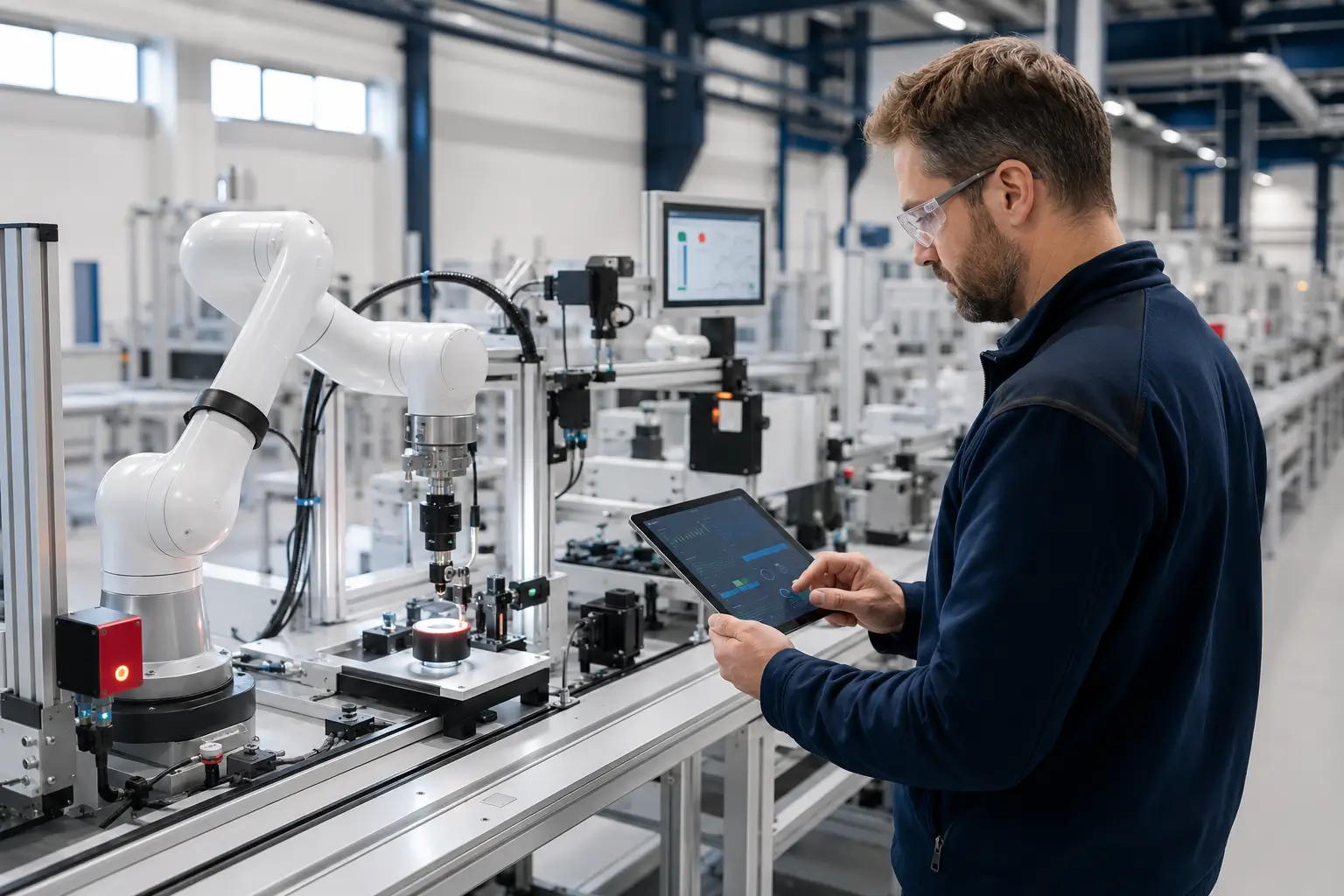
Different layers move at different speeds.
A new application may spread quickly while the factories, networks, standards or skills behind it take years to expand. Understanding the timing of each layer is central to understanding the market.
Semiconductors and computing
Processors, memory, specialized chips, manufacturing equipment and the economics of computing capacity.
Cloud and data infrastructure
Data centers, storage, networking, power, cooling and the services built on top of them.
Communications and connectivity
Fixed, mobile, satellite and machine-to-machine networks that move information between systems.
Industrial technology
Automation, sensors, machine vision, control systems and tools used to monitor and improve production.
Software and digital platforms
Applications, operating systems and platforms that coordinate users, data, transactions and services.
Standards, security and interoperability
The technical rules and safeguards that help different products, organizations and networks work together.
Reading technology markets
Technical possibility does not guarantee widespread use.
Diffusion depends on the total system around a technology. A strong capability may still face limits if it is costly, difficult to integrate, poorly understood or dependent on a fragile supply chain.
Performance
Does the technology improve speed, quality, reliability or another outcome that matters?
Total cost
What do equipment, integration, energy, maintenance, training and switching require?
Compatibility
Can the system connect with existing tools, data and standards without excessive friction?
Skills and workflow
Do users understand the system, and does it fit the way decisions and responsibilities are organized?
Trust and governance
Are performance, security, accountability and routes for correction clear enough for the context?
Supply resilience
How concentrated are critical inputs, manufacturing capacity and service dependencies?
Technology and global trade
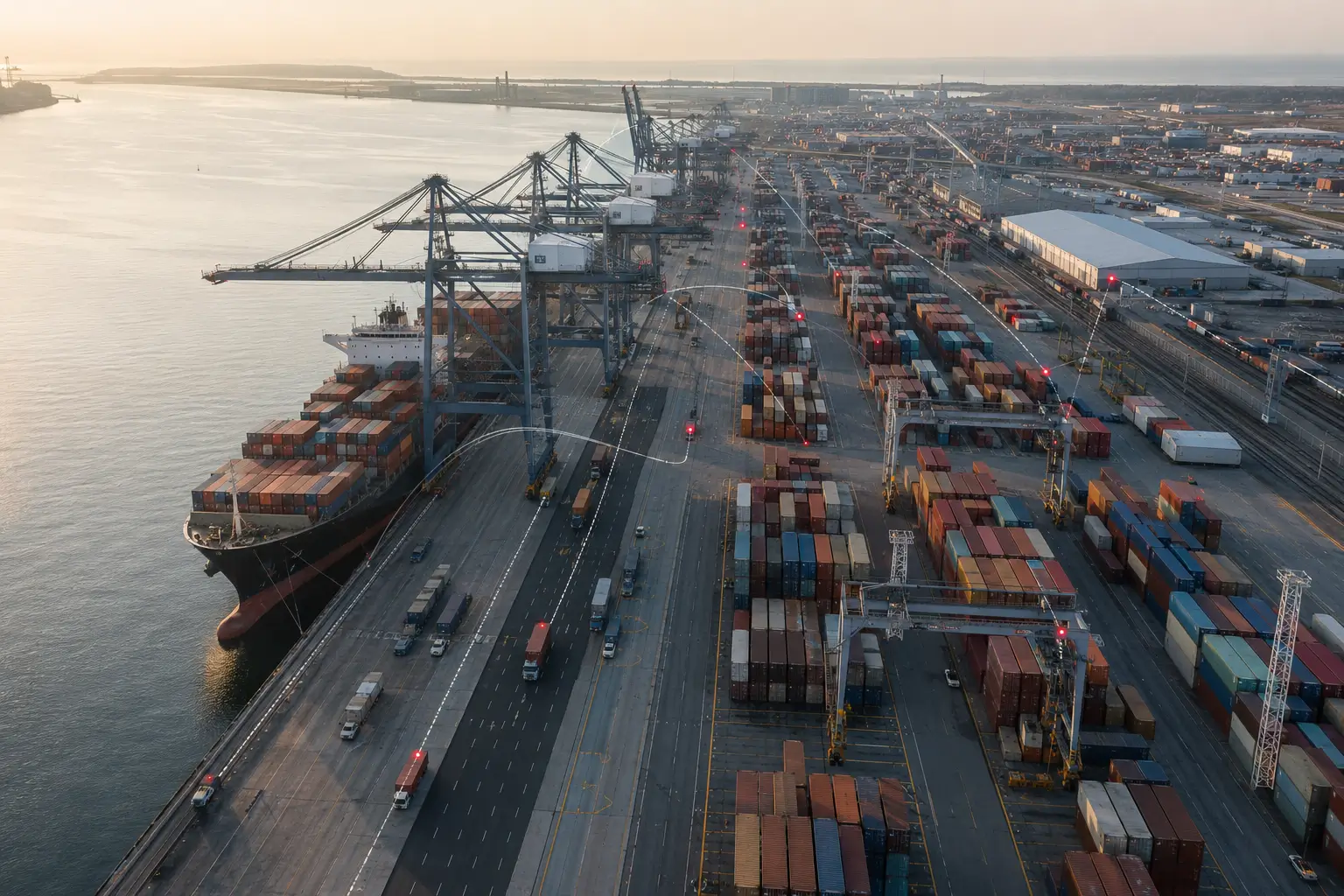
Information moves alongside physical goods.
Modern trade depends on more than ships, ports and warehouses. Tracking systems, communications networks, digital documents and shared standards help coordinate movement across organizations and borders.
What we examine
What technology needs to work—and what changes when it does.
Open each question for a concise explanation.
01Which physical and digital infrastructure must exist before a technology can scale?
Scale depends on more than the core product. Reliable electricity, connectivity, computing capacity, secure data systems, maintenance networks and trained operators must work together. Standards and regulation may also affect deployment across organisations and markets.
02Where do improvements in performance and cost actually come from?
Progress can come from better components, higher manufacturing yields, more efficient software, standardisation, operating experience and economies of scale. The relevant measure is total cost, including integration, energy, maintenance and downtime—not only the purchase price.
03How do standards and interoperability shape competition and user choice?
Shared standards allow systems from different providers to exchange data and work together. This can lower integration and switching costs. Closed interfaces may simplify one ecosystem, but they can also create dependency and concentrate market power.
04What changes in skills, workflow and responsibility after adoption?
Routine work may shift towards monitoring, exception handling and decision support. Organisations may need stronger skills in data, cybersecurity, maintenance and process design, alongside clear responsibility when systems fail.
05How do concentrated supply chains affect resilience and market power?
Dependence on a small number of suppliers, production regions or logistics routes can turn a local disruption into a wider shortage. Diversification, visibility, inventories and workable substitutes may improve resilience, although each carries a cost.
06When does a new system create value, and when does it move complexity elsewhere?
A system creates value when it produces measurable improvements in time, cost, quality, safety or decision-making. It may relocate complexity when those gains are offset by difficult integration, added energy use, security exposure, retraining or long-term dependence on one provider.
Continue exploring